
- 30, Oct 2025
- 1k Views
- 0 Comments
- PAAR, EV's, Electric Cars, Car Shipping and Clearing
A Comprehensive Guide to Clearing CNG and Electric Cars in Nigeria: Differences, Advantages, and More
Introduction
As the world shifts towards more environmentally friendly and sustainable transportation options, Nigeria is also embracing the adoption of Compressed Natural Gas (CNG) and Electric Vehicles (EVs). With the Nigerian government promoting the use of CNG and EVs to reduce greenhouse gas emissions and dependence on fossil fuels, many individuals and businesses are considering importing these vehicles. However, clearing CNG and Electric cars in Nigeria requires a thorough understanding of the regulations, differences, and advantages of each. In this article, we will provide an in-depth guide on clearing CNG and Electric cars in Nigeria, their differences, and which one is more advantageous.
What are CNG and Electric Cars?
CNG Cars
CNG cars are vehicles that run on Compressed Natural Gas, a cleaner-burning fuel than traditional gasoline or diesel. CNG vehicles use a mixture of gases, primarily methane, stored in cylinders under high pressure. CNG is a popular alternative fuel option for vehicles, offering a cleaner and more cost-effective solution.
Electric Cars
Electric cars, also known as Electric Vehicles (EVs), are vehicles powered solely by electricity stored in batteries. EVs use electric motors and are known for their zero tailpipe emissions, making them an attractive option for environmentally conscious individuals.
Purchasing Process
When purchasing a CNG or Electric car, consider the following steps:
1. Research: Research different models and brands available in the market.
2. Check the Vehicle's History: Check the vehicle's history to ensure it is not stolen or salvaged.
3. Inspect the Vehicle: Inspect the vehicle to ensure it is in good condition.
4. Negotiate the Price: Negotiate the price with the seller.
5. Payment: Make payment for the vehicle.
Shipping Process
To ship a CNG or Electric car to Nigeria, follow these steps:
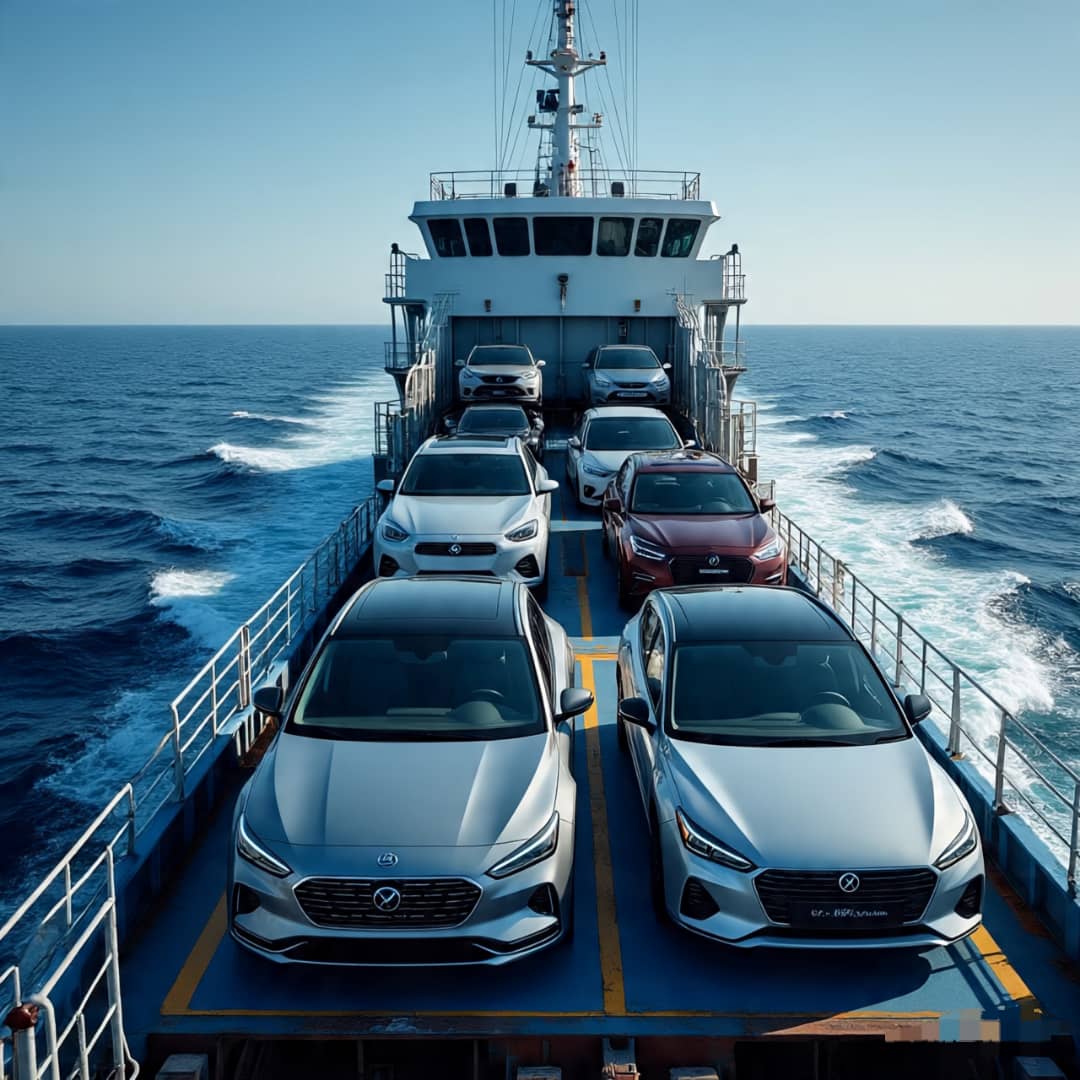
1. Choose a Shipping Method: Choose a shipping method that suits your needs, such as Roll-on/Roll-off (RORO) or Container Shipping.
2. Prepare the Vehicle: Prepare the vehicle for shipping by cleaning it and removing any personal belongings.
3. Obtain Export Documents: Obtain export documents, including a bill of lading and certificate of origin.
4. Load the Vehicle: Load the vehicle onto the ship or container.
5. Track the Shipment: Track the shipment to ensure it arrives safely. You can Track your shipment via the track and track portal in the oceanspeedcompany's website.
Customs Clearing Process
To clear a CNG or Electric car through customs in Nigeria, follow these steps:
1. Obtain a Pre-Shipment Inspection Certificate: Obtain a pre-shipment inspection certificate from a reputable inspection company.
2. Submit Required Documents: Submit the required documents, including the commercial invoice, bill of lading, and certificate of origin.
3. Pay Duties and Taxes: Pay the required duties and taxes on the vehicle.
4. Get Customs Clearance: Get customs clearance for the vehicle.
5. Register the Vehicle: Register the vehicle with the appropriate authorities.
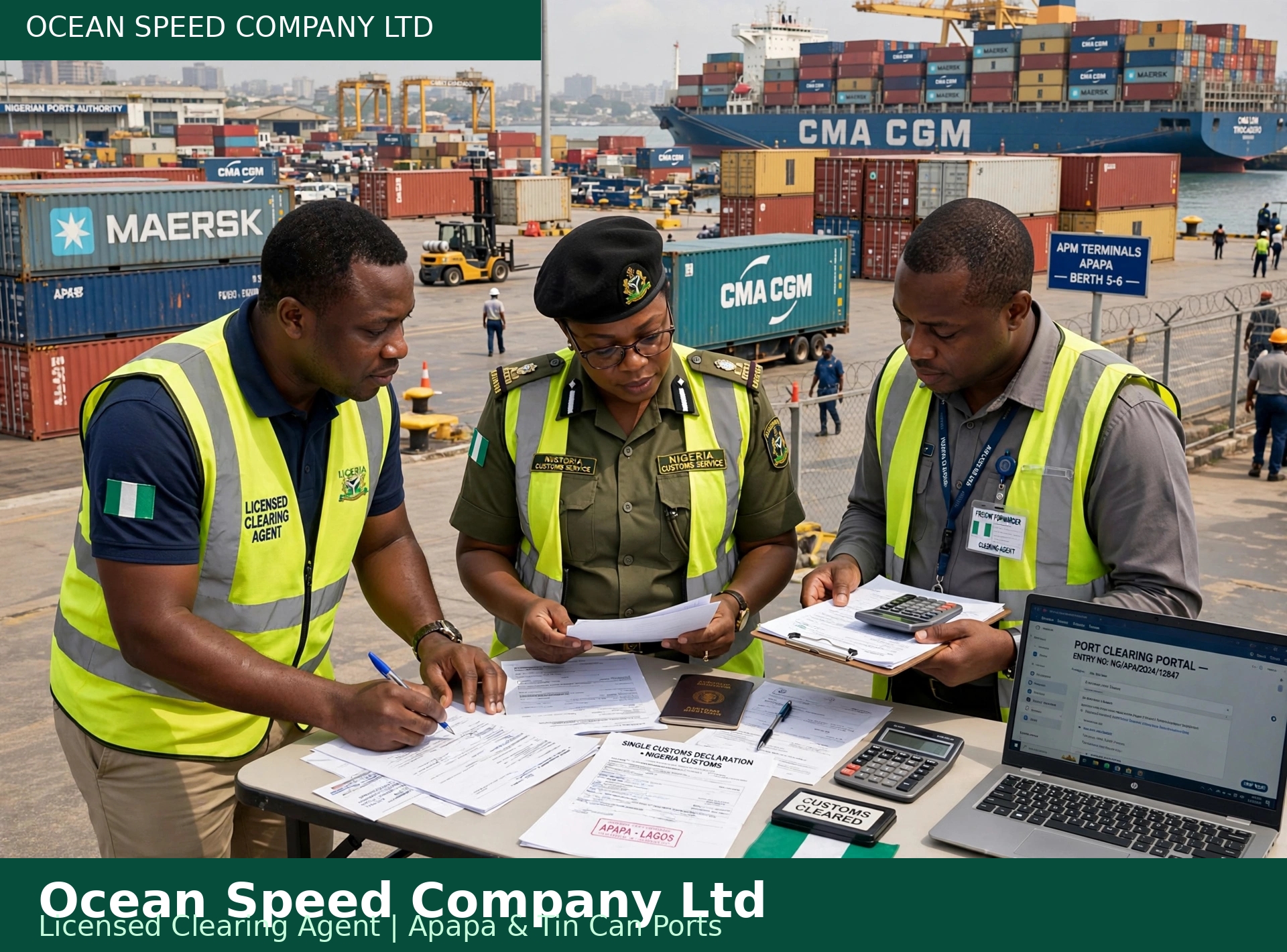
6. Consult an experienced and reputable customs clearing company like OceanSpeedCompanyLtd to help get all the rigorous clearing processes done.
Required Documents for Customs Clearance
The following documents are required for customs clearance:
1. Commercial Invoice: A commercial invoice that includes the vehicle's value, make, model, and year.
2. Bill of Lading: A bill of lading that shows the vehicle's shipping details.
3. Certificate of Origin: A certificate of origin that shows the vehicle's country of origin.
4. Pre-Shipment Inspection Certificate: A pre-shipment inspection certificate that shows the vehicle's condition.
5. Import Duty Payment: Payment for import duties and taxes.
6. Consult OceanSpeedCompany to help with the necessary documents and facilitation.
Differences between CNG and Electric Cars

Advantages of CNG Cars
1. Lower Operating Cost: CNG is generally cheaper than traditional fossil fuels.
2. Environmentally Friendly: CNG produces fewer emissions than traditional fossil fuels.
3. Abundant Fuel Supply: Nigeria has significant natural gas reserves.
Advantages of Electric Cars
1. Zero Emissions: EVs produce no tailpipe emissions, reducing greenhouse gas emissions.
2. Lower Operating Cost: EVs are generally cheaper to run, with lower fuel costs.
3. Smooth and Quiet Ride: EVs provide a smooth and quiet driving experience.
Which is More Advantageous?
Both CNG and Electric cars have their advantages and disadvantages. However, considering Nigeria's current infrastructure and energy landscape, CNG cars might be more advantageous in the short term due to:
1. Established Refueling Infrastructure: Although limited, CNG refueling infrastructure is more established in Nigeria compared to EV charging infrastructure.
2. Abundant Natural Gas Supply: Nigeria's significant natural gas reserves make CNG a more viable option.
Conclusion
Clearing CNG and Electric cars in Nigeria requires a thorough understanding of the regulations and differences between the two. While both options offer advantages, CNG cars might be more advantageous in the short term due to the established refueling infrastructure and abundant natural gas supply. However, as the EV market grows and charging infrastructure improves, Electric cars may become a more viable option.
Frequently Asked Questions
1. What are the import duties on CNG and Electric cars in Nigeria?
Import duties on CNG and Electric cars in Nigeria vary depending on the vehicle type and value. Consult the Nigeria Customs Service for the most up-to-date information.
2. Can I convert a traditional gasoline-powered vehicle to CNG or Electric?
Yes, it is possible to convert a traditional gasoline-powered vehicle to CNG or Electric. However, ensure the conversion meets Nigerian safety and environmental standards.
Recommendations
1. Research and Understand the Regulations: Before importing a CNG or Electric car, research and understand the regulations and compliance requirements.
2. Consider the Infrastructure: Consider the availability of refueling or charging infrastructure in your area.
3. Evaluate the Operating Cost: Evaluate the operating cost of CNG and Electric cars compared to traditional fossil fuels.
4. Clearing Agent: Get an experienced and reputable clearing company like OceanSpeedCompanyLtd to help document, facilitate and clear your cars, trucks etc from the port of discharg with ease and on time.
By following this guide, individuals and businesses can make informed decisions when clearing CNG and Electric cars in Nigeria. As the automotive industry continues to evolve, embracing sustainable transportation options will be crucial for a cleaner and healthier environment.
Recent Posts

Tags
Our Address
- 31A Commercial Road, Apapa, Lagos, Nigeria.
- China Sea warehouse: Building 2, No. 108, Maoxing Industrial Park, Shi Nan Highway, Dongyong Town, Nansha District, Guangzhou City, Guangdong Province, China. 仓库地址:广东省广州市南沙区东涌镇市南公路106号茂兴产业园2栋108号LGFJ724。(导航:“茂兴产业园”,进门右转10米)
- Call : +234 90 1089 2321
WhatsApp : +2348035988240 - Email : info@oceanspeedcompany.ng
Web : www.oceanspeedcompany.ng - Mon - Sat: 8AM - 7PM